Step-by-step setup guides for every major cloud gaming and game streaming platform. Get the best experience on your smartphone.
Follow these detailed guides to set up your preferred cloud gaming or streaming service on your smartphone.
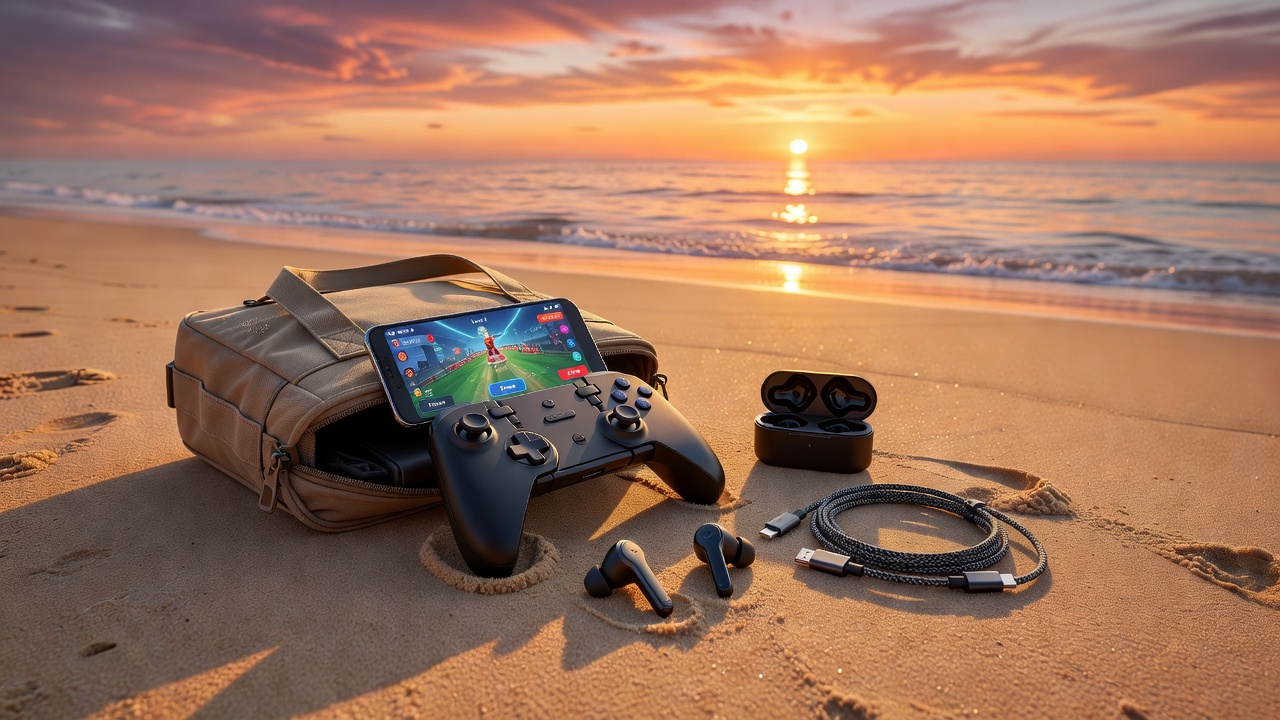
Cloud gaming truly shines when you're away from home. Whether you're at the beach, on public transport, or at a café, a well-configured setup ensures you always have a great gaming session.
The key to great portable cloud gaming is preparation: make sure your controller is charged, your data plan has enough capacity, and your preferred service is pre-configured before you leave home.
Consider investing in a smartphone clip or holder for your controller, making it a self-contained gaming unit that's as comfortable as a handheld console.
Your network is the foundation of a great cloud gaming experience. Use these tips to get the most out of your connection.
The 5GHz Wi-Fi band offers less interference and higher throughput than 2.4GHz. Connect to 5GHz for best performance at home.
For home streaming (Steam Link), connect your PC via Ethernet cable rather than Wi-Fi for a stable, low-latency connection between PC and router.
Enable Quality of Service (QoS) in your router settings to prioritize gaming traffic over other devices on your home network.
Internet congestion during peak hours (evenings and weekends) can increase latency. Schedule intensive gaming sessions during off-peak times if possible.
Physical distance and walls between your phone and router degrade Wi-Fi signal. Move closer to your router for better signal strength and lower latency.
When on cellular, use 5G networks when available. 5G offers lower latency and higher bandwidth than 4G/LTE, making it viable for cloud gaming.
Imperceptible input lag. Perfect for competitive games and fast-paced action titles. Achievable on local home networks.
Barely noticeable. Suitable for most gaming genres including action games and RPGs. Standard for most cloud gaming services.
Slightly noticeable lag. Good for slower-paced games, strategy, and turn-based titles. May feel sluggish in shooters.
Noticeable input lag affects gameplay. Consider improving your connection, switching servers, or choosing a different streaming service.
Choose nearby servers — always connect to the cloud gaming server closest to your physical location.
Minimize network hops — use wired or 5GHz Wi-Fi connections to reduce the number of wireless hops.
Close background apps — other apps using network can add latency spikes during gaming sessions.
Upgrade router firmware — modern router firmware often includes latency improvements and better QoS.
Choosing the right video quality setting balances visual fidelity with streaming stability. Here's a guide to common quality presets.
Good for basic gaming on slower connections. Works on most smartphones. Suitable for RPGs and slower-paced games.
Sharp and clear on most smartphone screens. The sweet spot for mobile cloud gaming. Recommended for most users.
Excellent quality on phones with high-res screens. Noticeable improvement on 6"+ screens. Requires strong connection.
Maximum visual quality. Only supported on select services (GeForce NOW Ultimate). Requires very fast internet.
Smooth motion, ideal for action games. Available on most cloud gaming services. Doubles bandwidth requirements vs 30fps.
Ultra-smooth gaming for supported games and displays. Only available on premium tiers of select services.